8 Freezer Breakfast Sandwiches Better Than the Drive-Thru
This post may contain affiliate links. If you buy through them, I may earn a small commission at no extra cost to you.
What You’ll Need
- Gallon freezer bags — the workhorse of freezer cooking
Introduction
The drive-thru version costs five dollars, sat under a heat lamp, and still arrives cold in the middle. These eight cost a fraction of that, live in your freezer, and reheat in minutes — and because you chose the meat, cheese, and bread, they honestly taste better. One hour on Sunday stocks two weeks of mornings.
Everything here stands or falls on the egg, so here is the method that matters. Skip fried eggs and rubbery scrambled pucks. Whisk eggs with a splash of milk, pour them into a greased 9×13-inch pan (or a sheet pan for a big batch), and bake at 350°F for 15–18 minutes, until just set and cooked to 160°F — tender, sliceable, and still soft after reheating. For round sandwiches, bake the eggs in greased ramekins or a muffin tin instead. Cut, cool completely, then build. Cooling is not optional: warm eggs steam inside the wrap and turn the bread soggy in the freezer.
The wrap order is the other half of the system: parchment paper first, then foil, then all the sandwiches together in a large labeled freezer bag with the air pressed out. Parchment keeps cheese from gluing itself to the foil, and the double layer blocks freezer burn. This is the breakfast chapter of the system in Freezer Breakfasts for Busy Mornings, and it pairs with 8 Make-Ahead Breakfast Burritos That Reheat Like Fresh for households split between sandwich and burrito people.
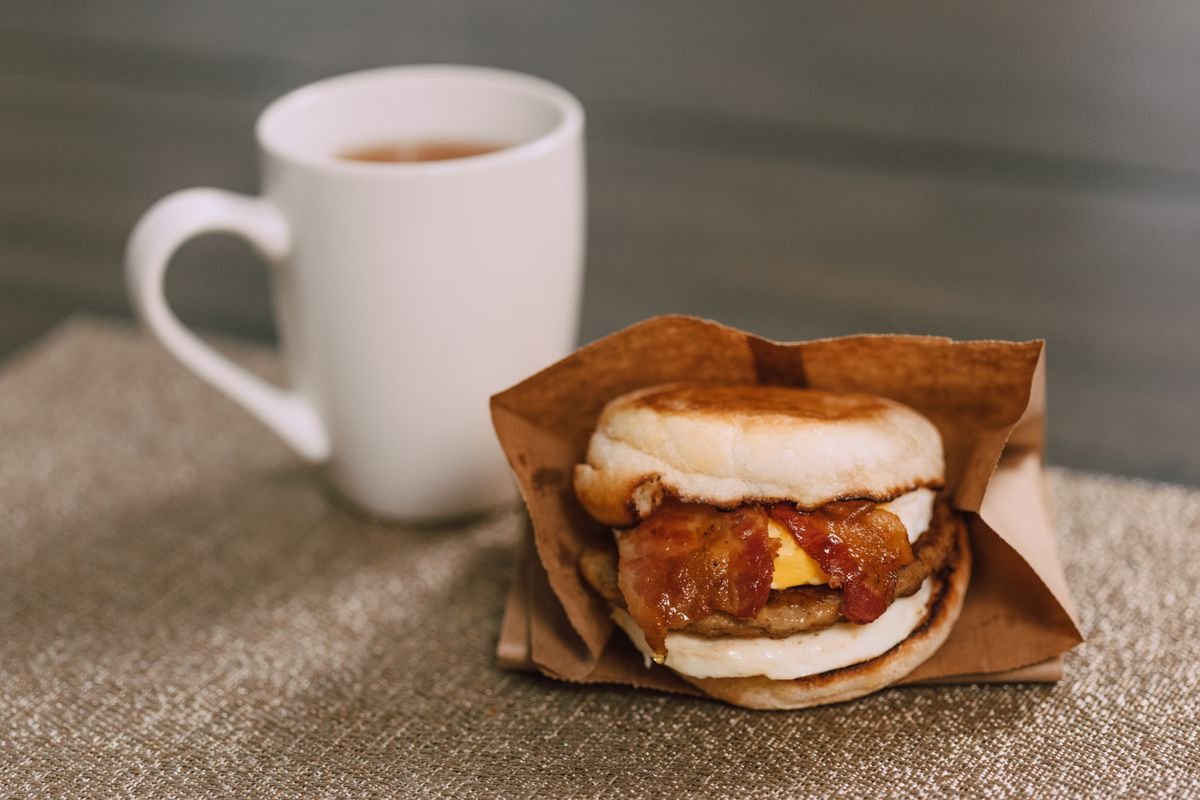
1. Classic Sausage, Egg & Cheddar on an English Muffin
The original, and the one to master first. A well-seasoned sausage patty, a tender baked egg square, and sharp cheddar on a toasted muffin — this is the sandwich the other seven are measured against.
Ingredients (4 servings):
- 4 English muffins, split and lightly toasted
- 4 large eggs, whisked with 2 Tbsp milk, salt and pepper (or 1/4 of a 9×13 baked egg pan)
- 4 breakfast sausage patties (about 1 lb ground breakfast sausage, formed into patties)
- 4 slices sharp cheddar cheese
- Butter, for the muffins (optional)
To freeze: Cook the sausage patties in a skillet until browned and cooked through to 160°F; drain on paper towels. Bake the eggs as in the introduction until just set at 160°F. Cool everything completely. Build muffin bottom, egg, sausage, cheese, muffin top. Wrap each sandwich in parchment, then foil, and bag together labeled with the date.
To cook: From frozen, remove the foil, keep the parchment, and wrap in a paper towel. Microwave at 50% power for 60–90 seconds, flip, then on high for 30–60 seconds, until the center reaches 165°F; rest 1 minute. Oven: keep the foil on and bake at 375°F for 25–30 minutes from frozen. Air fryer: thaw overnight, then 350°F for 5–6 minutes until the muffin edges crisp.
Tip: Toast the muffins before freezing. That light toast is a moisture barrier, and it is the difference between a muffin that reheats chewy and one that reheats soggy.
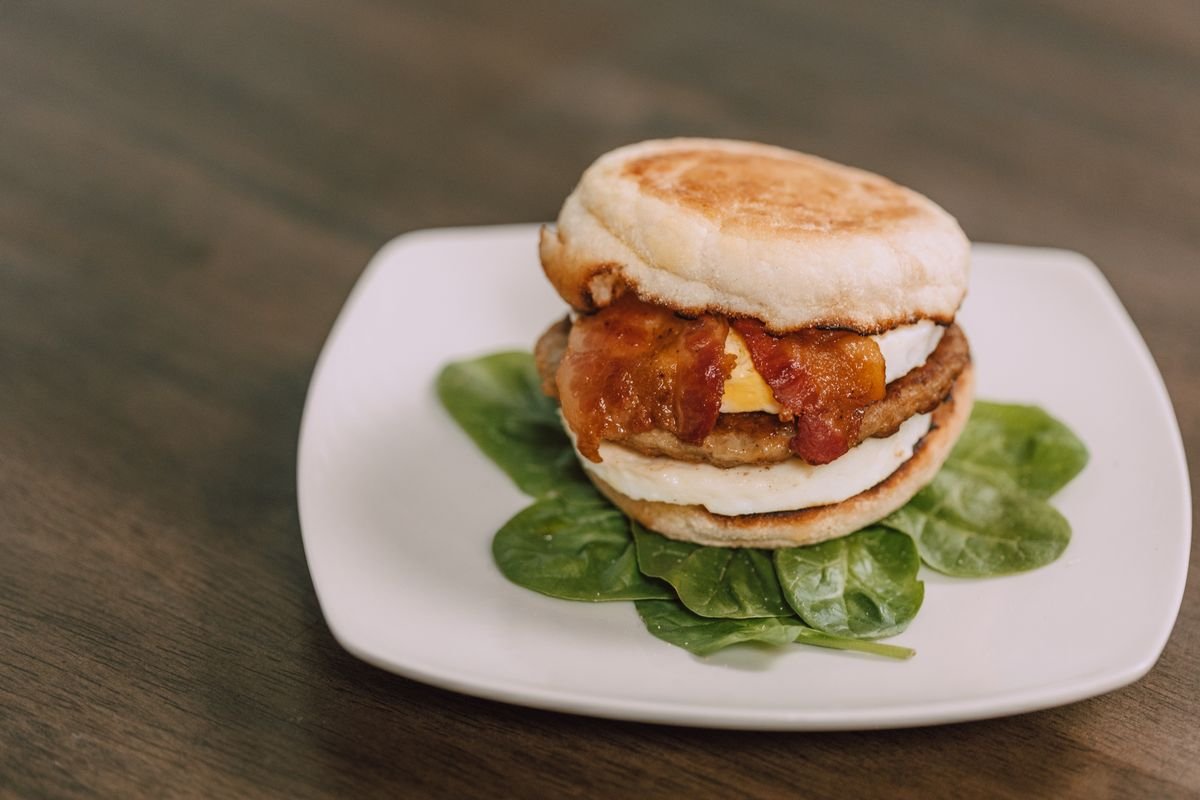
2. Bacon, Egg & American Cheese on an English Muffin
The diner classic, built for the freezer. American cheese is not a compromise here — it is the choice. It melts silkier after freezing than almost any other sliced cheese, and it glues the sandwich together.
Ingredients (4 servings):
- 4 English muffins, split and lightly toasted
- 4 large eggs, whisked with 2 Tbsp milk, salt and pepper
- 8 slices bacon (2 per sandwich)
- 4 slices American cheese
- Black pepper and a pinch of garlic powder, for the eggs
To freeze: Cook the bacon until crisp; drain well — excess bacon fat turns rancid-tasting in the freezer faster than any other fat here. Bake the eggs in ramekins or a muffin tin for muffin-size rounds, to 160°F, and cool completely. Build, wrap in parchment then foil, and bag with the date.
To cook: From frozen, unwrap the foil, wrap in a paper towel, and microwave at 50% power for 60–90 seconds, flip, then high for 30–60 seconds to 165°F. Oven from frozen: foil on, 375°F for 25–30 minutes. Air fryer from thawed: 350°F for 5–6 minutes — the best method for re-crisping the bacon.
Tip: Add fresh stuff after reheating, never before freezing: a tomato slice and a shake of hot sauce make it taste just-made, because the best part of it was.
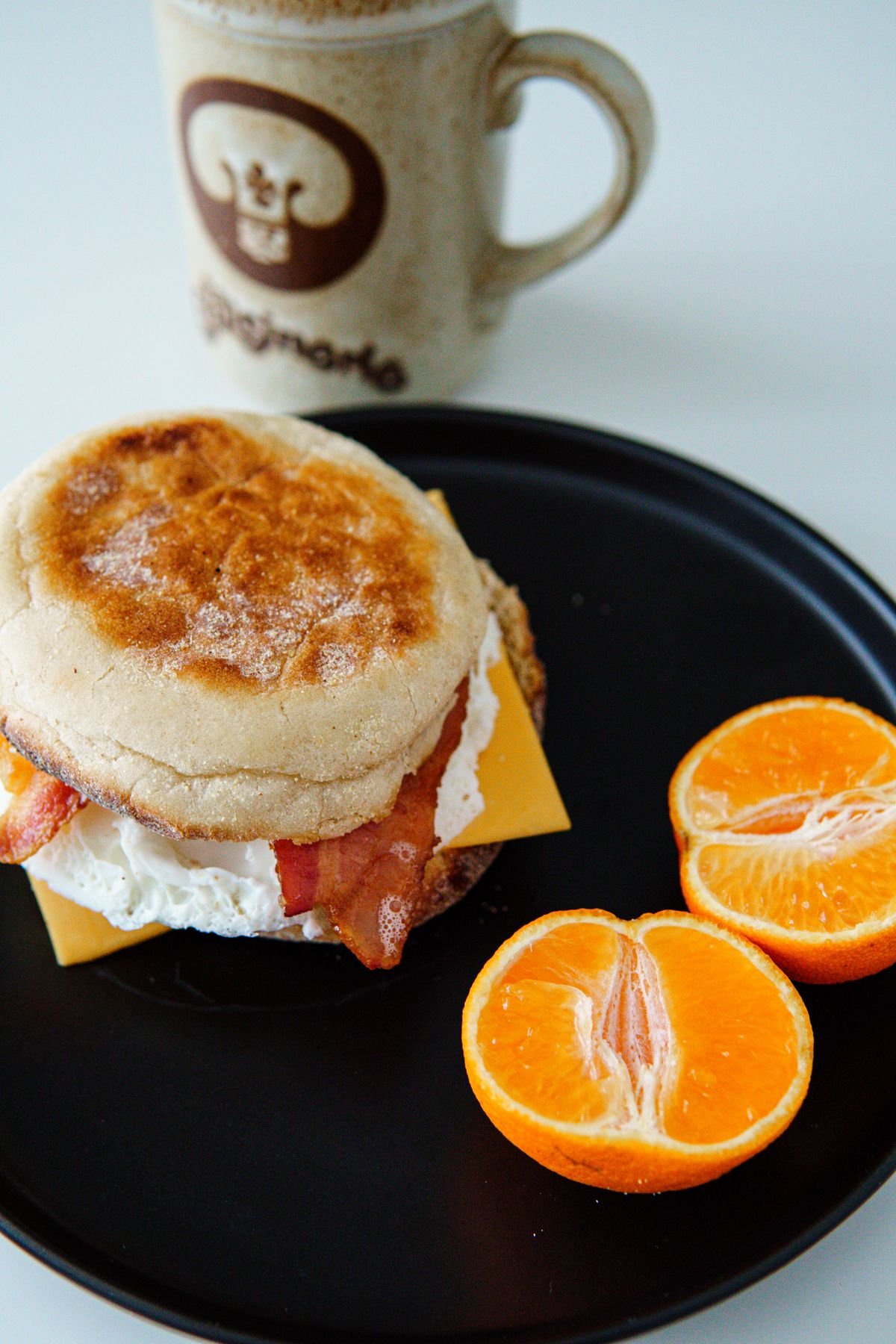
3. Ham, Egg & Swiss on a Croissant
The fancy one. Buttery croissant, salty ham, and nutty Swiss taste like a café sandwich, and croissants freeze far better than their delicate reputation suggests — as long as the reheat is gentle.
Ingredients (4 servings):
- 4 large croissants, split
- 4 large eggs, whisked with 2 Tbsp milk, salt and pepper
- 8 slices deli ham (2 per sandwich, about 8 oz total)
- 4 slices Swiss cheese
- 1 tsp Dijon mustard per sandwich (optional, spread thin)
To freeze: Warm the ham in a skillet for 1–2 minutes per side until heated through and any surface moisture cooks off — wet ham is the number-one cause of a soggy croissant. Bake the egg rounds to 160°F and cool completely. Build croissant bottom, ham, egg, Swiss, top. Wrap gently in parchment (do not compress), then foil, and freeze in a bag without anything heavy stacked on top.
To cook: Croissants prefer the oven: foil-wrapped at 350°F for 20–25 minutes from frozen, to 165°F, then 2 minutes unwrapped to re-crisp the layers. Air fryer from thawed: 325°F for 4–5 minutes. Microwave works in a pinch (50% power 60 seconds, flip, high 30 seconds), but the croissant will be soft, not flaky.
Tip: Thaw this one overnight in the fridge whenever you can. Croissants reheat most evenly from thawed, and the flaky layers survive the trip.
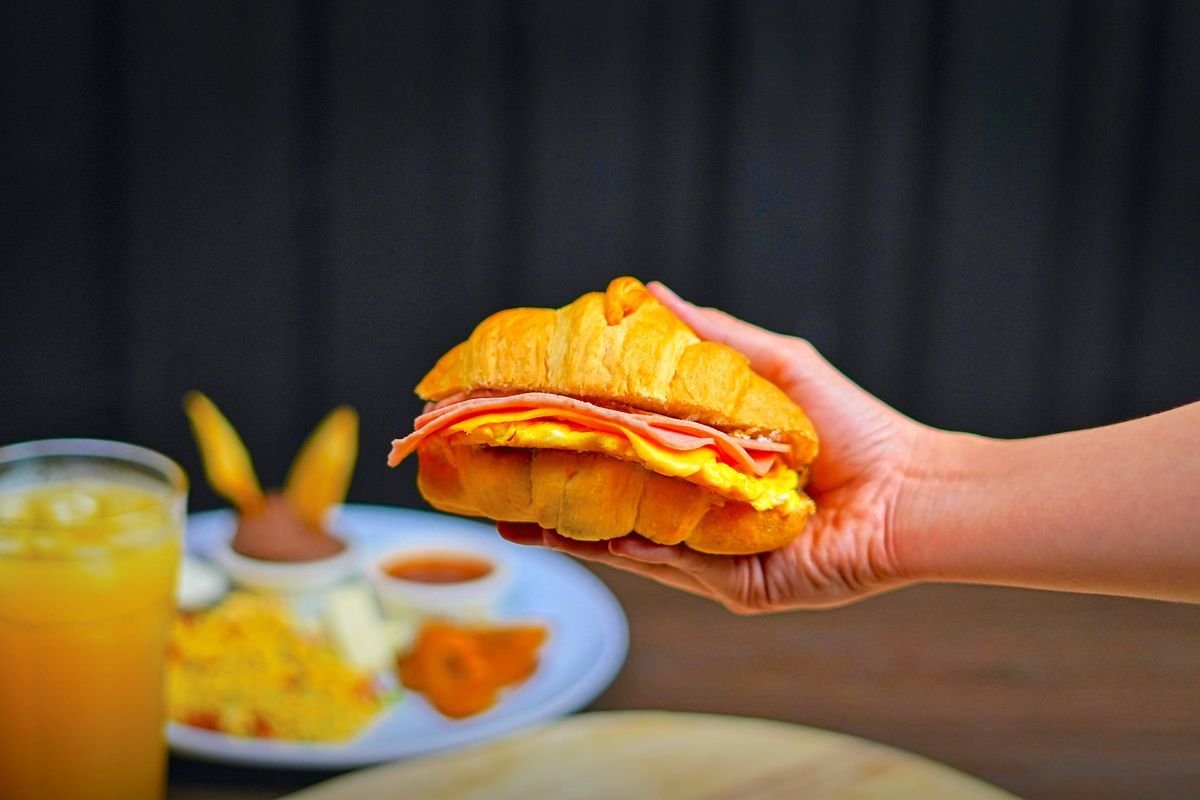
4. Sausage, Egg & Cheddar on a Bagel
The heavyweight. A bagel makes this the most filling sandwich in the batch — the one for long mornings and anyone who eats breakfast at 6 and lunch at 2.
Ingredients (4 servings):
- 4 plain or sesame bagels, split and lightly toasted
- 4 large eggs, whisked with 2 Tbsp milk, salt and pepper
- 4 breakfast sausage patties (about 1 lb), cooked through
- 4 slices cheddar cheese
- 1 Tbsp cream cheese per bagel (optional, spread on the top half)
To freeze: Cook sausage patties to 160°F and drain. Bake eggs to 160°F — for bagels, bake in a 9×13 pan and cut squares; a square egg folds neatly into a round bagel. Cool, build, wrap in parchment then foil, and bag. Dense bagels make these the sturdiest, most forgiving sandwiches in the freezer.
To cook: From frozen, microwave in a paper towel at 50% power for 90 seconds, flip, then high for 45–60 seconds to 165°F — bagels need the longer defrost step or the center stays cold while the outside toughens. Oven from frozen: foil on, 375°F for 30–35 minutes. Air fryer from thawed: 350°F for 6–7 minutes.
Tip: Never microwave a bagel sandwich on full power the whole way. The two-stage heat (gentle defrost, then high) is what keeps the bagel chewy instead of turning it into a rubber ring.
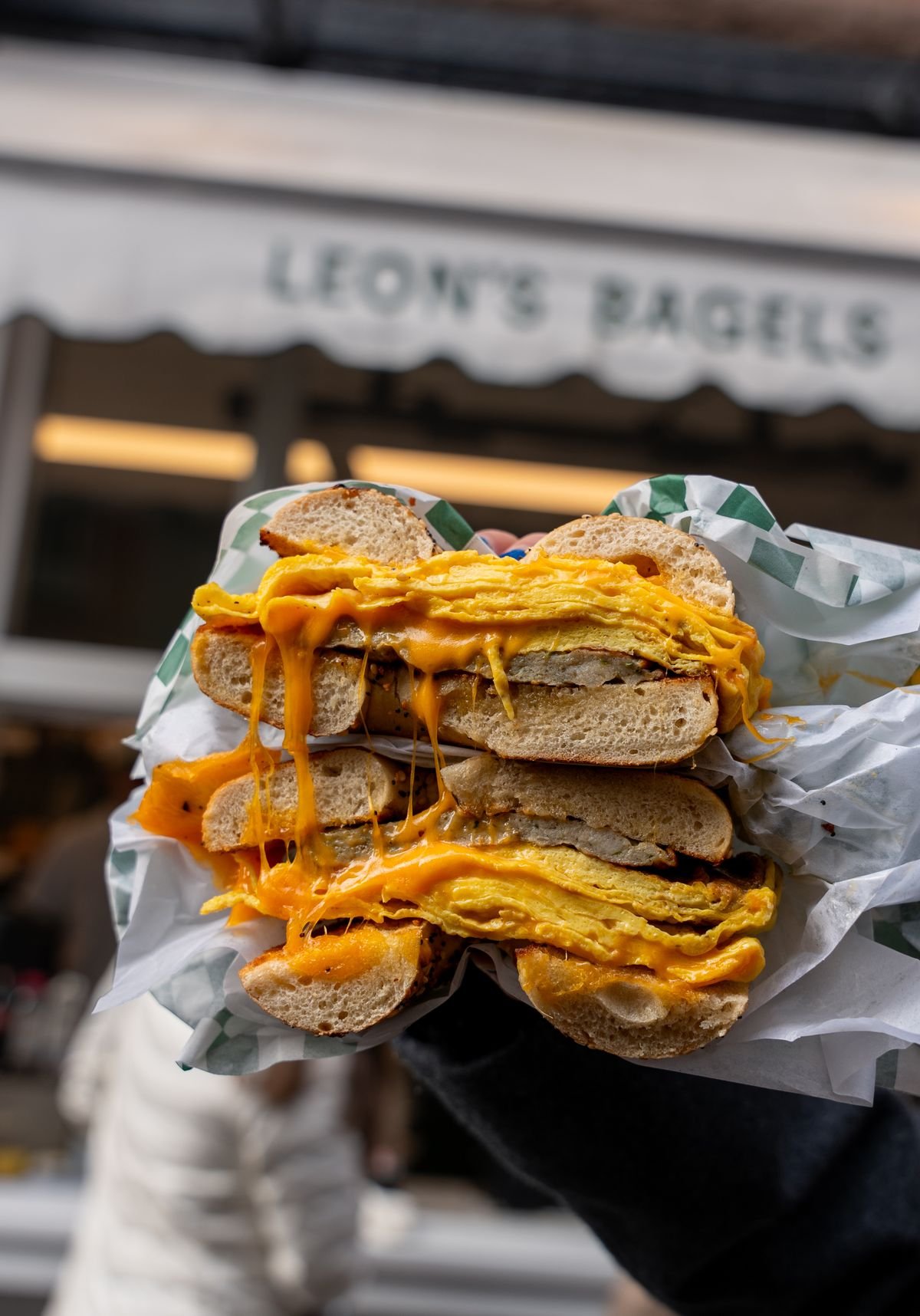
5. Spinach Egg-White & Mozzarella on an English Muffin
The lighter build, and proof that “lighter” does not have to mean “sad.” Egg whites baked with spinach stay tender, mozzarella keeps it melty, and Parmesan in the whites makes up the flavor yolks would have carried.
Ingredients (4 servings):
- 4 whole wheat English muffins, split and lightly toasted
- 8 large egg whites (or 1 cup liquid egg whites), whisked with 2 Tbsp milk
- 1 cup fresh spinach, finely chopped
- 2 Tbsp grated Parmesan, plus 1/2 tsp garlic powder, salt and pepper
- 4 slices part-skim mozzarella
To freeze: Wilt the spinach in a dry skillet for 1–2 minutes and squeeze it very dry — spinach water is the enemy of every freezer sandwich. Whisk whites, Parmesan, and seasonings, stir in the spinach, and bake in ramekins or a muffin tin at 350°F for 12–15 minutes, until set and cooked to 160°F. Cool completely, build on the muffins with mozzarella, wrap in parchment then foil, and bag.
To cook: From frozen, microwave in a paper towel at 50% power for 60 seconds, flip, then high for 30–45 seconds to 165°F. Oven from frozen: foil on, 375°F for 22–25 minutes. Air fryer from thawed: 350°F for 4–5 minutes.
Tip: This is the sandwich to finish with fresh toppings — a thick tomato slice and a few drops of hot sauce after reheating add back everything the freezer took out. More low-cost, high-protein batches like this one live in 9 Freezer Meals Under $3 a Serving.
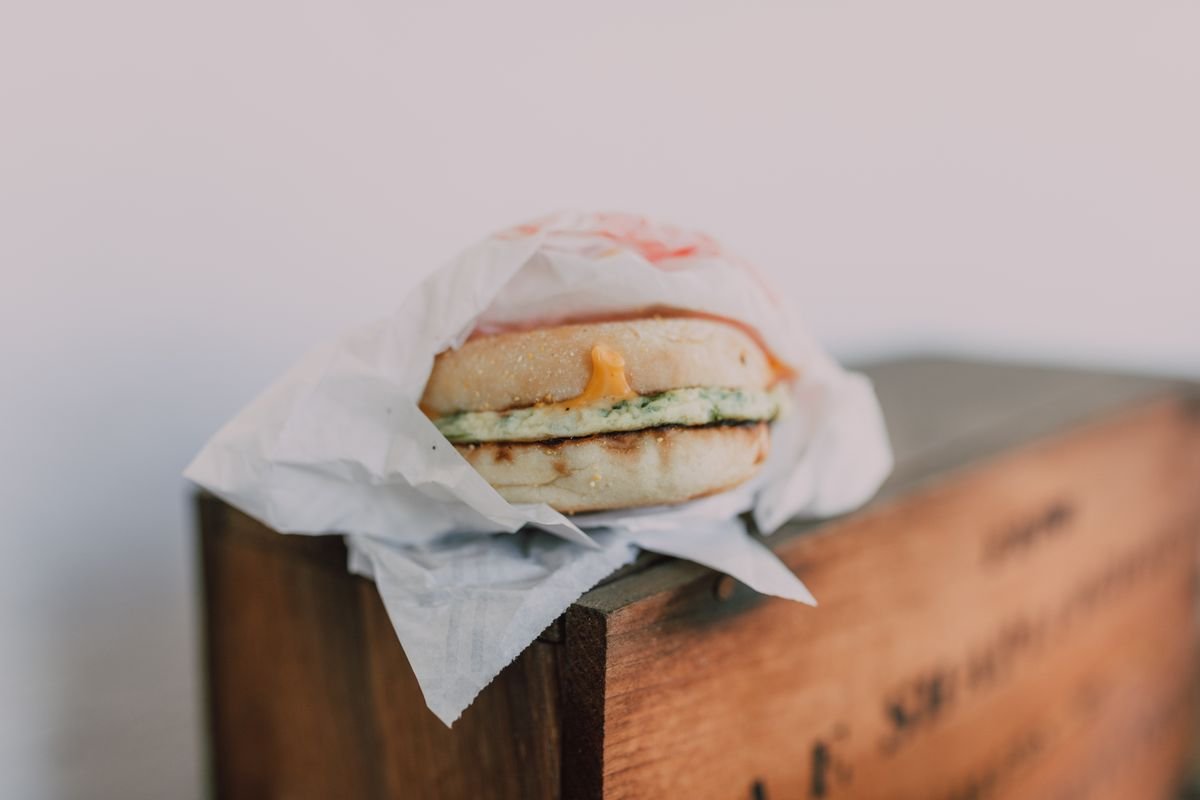
6. Everything Bagel with Omelette Egg, Ham & Cheese
The deli order, frozen. Folding the egg omelette-style gives you layers instead of one thick puck, and everything-bagel seasoning means the bread itself does half the seasoning work.
Ingredients (4 servings):
- 4 everything bagels, split and lightly toasted
- 6 large eggs, whisked with 3 Tbsp milk, salt and pepper
- 8 slices deli ham (2 per sandwich, about 8 oz), warmed and patted dry
- 4 slices provolone or cheddar cheese
- 1 Tbsp finely diced red onion or bell pepper (optional, cooked into the eggs)
To freeze: Cook the whisked eggs as two thin omelettes in a nonstick skillet (or bake thin on a sheet pan), cooked until just set and firm at 160°F, then fold or cut to bagel size. Warm the ham and pat it dry. Cool everything, build bagel bottom, egg, ham, cheese, top, then wrap in parchment and foil and bag flat so the seeded tops do not crush.
To cook: From frozen, microwave in a paper towel at 50% power for 90 seconds, flip, then high for 45–60 seconds to 165°F. Oven from frozen: foil on, 375°F for 28–32 minutes. Air fryer from thawed: 350°F for 5–6 minutes.
Tip: Seasoning sheds. Everything bagels lose some seeds in the freezer no matter what — a pinch of everything seasoning sprinkled on after reheating makes it taste fresh from the deli case.
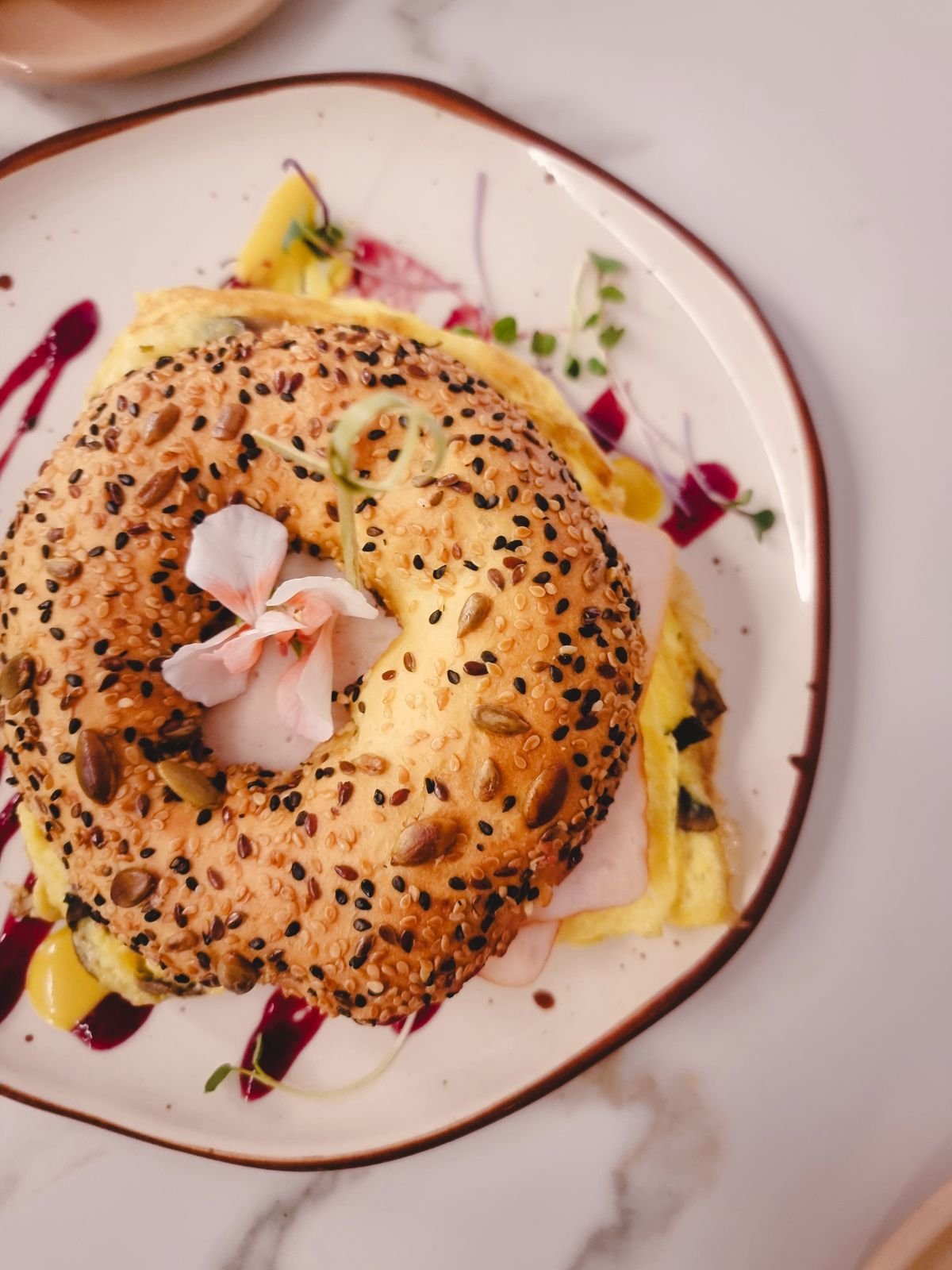
7. Scrambled Egg & Cheese Biscuit with Pickled Onion
The Southern build. A flaky biscuit wants a soft filling, so this one uses proper scrambled eggs instead of a baked round — scrambled gently, slightly under-set, so the reheat finishes them instead of punishing them.
Ingredients (4 servings):
- 4 large buttermilk biscuits (homemade or refrigerated), baked and split
- 6 large eggs, whisked with 3 Tbsp milk, salt and pepper
- 1 Tbsp butter, for scrambling
- 4 slices American or cheddar cheese
- 1/4 cup pickled red onions (add before freezing is fine — they hold up; or add fresh)
To freeze: Scramble the eggs in butter over medium-low heat, stirring, until softly set and cooked through to 160°F but still glossy — they will cook a touch more on reheat day. Cool completely. Spoon eggs onto biscuit bottoms, top with cheese and pickled onion, close, and wrap in parchment then foil. Biscuits are the most fragile base here: freeze them in a single layer in a rigid container if your freezer is crowded.
To cook: Biscuits reheat best in the oven: foil-wrapped at 350°F for 22–28 minutes from frozen, to 165°F, then 2–3 minutes unwrapped to crisp the top. Air fryer from thawed: 325°F for 5–6 minutes. Microwave from frozen (paper towel, 50% for 60–90 seconds, flip, high 30–45 seconds) works, but the biscuit will be soft rather than flaky.
Tip: Brush the cut sides of the biscuits with a little melted butter before building. The fat barrier keeps egg moisture out of the crumb, which is what makes a reheated biscuit taste baked instead of steamed.

8. Maple Bacon, Egg & Pepper Jack on a Biscuit
The sweet-heat closer: maple-kissed bacon and pepper jack under one biscuit. It is also the most one-hand-friendly sandwich here — exactly the brief behind 5 Freezer Meals for New Moms (One-Handed Eating Approved).
Ingredients (4 servings):
- 4 large buttermilk biscuits, baked and split
- 4 large eggs, whisked with 2 Tbsp milk, salt and pepper
- 8 slices bacon (2 per sandwich)
- 1 Tbsp pure maple syrup, for brushing the bacon
- 4 slices pepper jack cheese
- Hot sauce, for serving (add after reheating)
To freeze: Bake the bacon on a sheet pan at 400°F for 15–18 minutes until crisp and cooked through; brush lightly with maple syrup for the last 2 minutes and drain well. Bake the egg rounds to 160°F and cool completely. Build biscuit bottom, egg, bacon, pepper jack, top. Wrap in parchment then foil, bag, and label — write “pepper jack” on this batch so nobody’s toddler gets the spicy one by mistake.
To cook: From frozen, microwave in a paper towel at 50% power for 60–90 seconds, flip, then high for 30–60 seconds to 165°F. Oven from frozen: foil on, 350°F for 25–30 minutes. Air fryer from thawed: 325°F for 5–6 minutes, which re-crisps the maple bacon beautifully. Finish with hot sauce at the table.
Tip: Label spicy batches on the foil itself, not just the outer bag. Once sandwiches from two batches mingle in one bag — and they will — the bag label stops helping.
How Long Do These Keep?
Be honest here: at 0°F or below, egg sandwiches keep best quality for about 1–2 months — a shorter window than plain cooked meats, because eggs slowly toughen and bread dries even in a good wrap. They stay safe while frozen solid past that point, but the tender-egg payoff fades, so eat them within a month or two and make smaller, more frequent batches. For general freezer timelines, see Beginner’s Guide: How to Start Freezer Cooking.
Storage and safety rules for this batch:
- Cook components fully before freezing. Eggs until whites and yolks are firm and egg dishes reach 160°F; sausage and ground pork to 160°F; bacon and ham cooked through. Nothing goes into a sandwich raw.
- Cool completely before wrapping. Trapped steam is the main cause of soggy bread and ice crystals. Cool on the counter no more than 2 hours total, then wrap and freeze.
- Wrap in order: parchment, then foil (or a bag). Then store all the sandwiches together in a labeled freezer bag with the air pressed out — name, contents, and date on every batch.
- Reheat every sandwich to 165°F. Check the center with a food thermometer the first few times until you know your microwave’s timing; cold egg centers are the classic failure.
- Thaw overnight or reheat from frozen — both are fine. Never thaw on the counter. Overnight in the fridge gives the most even reheat; from frozen just needs the two-stage microwave method or a longer oven time.
- Leftovers: A reheated sandwich that does not get eaten goes in the fridge within 2 hours and gets eaten the same day; do not re-freeze a thawed sandwich.
Frequently Asked Questions
Can you freeze breakfast sandwiches?
Yes — that is the whole system here. Cook the fillings fully, cool the sandwiches completely, wrap each in parchment then foil, and store in a labeled freezer bag. Muffins, bagels, croissants, and biscuits all freeze well assembled; soft toppings like tomato, lettuce, avocado, and sauces do not, so add those fresh after reheating.
How long do freezer breakfast sandwiches last?
For best quality, about 1–2 months at 0°F or below. The eggs are the limiting ingredient — they slowly turn tougher and the bread dries out — even though the sandwiches stay safe while frozen solid for longer. Write the date on the bag, eat the oldest batch first, and favor smaller batches you will finish within a few weeks.
What is the best way to reheat a frozen breakfast sandwich?
For speed, the microwave: remove the foil, wrap in a paper towel, heat at 50% power for 60–90 seconds, flip, then on high for 30–60 seconds until the center reaches 165°F; rest 1 minute. For best texture, thaw overnight and use the oven (350°F, foil-wrapped, 12–18 minutes) or air fryer (325–350°F, 4–7 minutes), which re-crisps the bread.
Should I thaw breakfast sandwiches overnight or reheat them from frozen?
Either works. Reheating from frozen is the weekday reality and tastes great with the two-stage microwave method above. Thawing overnight in the fridge gives a more even heat and better bread texture, especially for croissants and biscuits, and shortens oven and air-fryer times. Never thaw them on the counter — fridge or straight from frozen, nothing in between.
Why are my eggs rubbery and my bread soggy?
Almost always two causes. Rubbery eggs were overcooked before freezing or blasted on full microwave power — bake eggs only until just set at 160°F and reheat gently at 50% power first. Soggy bread means sandwiches were wrapped warm, or a wet ingredient (unwilted spinach, un-dried ham, tomato) went in. Cool everything completely and cook moisture out of fillings first.
Can I add vegetables to freezer breakfast sandwiches?
Yes, if they are cooked first. Spinach, bell peppers, onions, and mushrooms are excellent baked into the eggs — after you cook off their water. Sauté or wilt them, squeeze or drain them dry, then fold them in. Raw watery vegetables and fresh toppings (tomato, avocado, greens, hot sauce, mayo) should always be added after reheating, not frozen into the sandwich.
Conclusion
Eight sandwiches, four breads, one tray of tender baked eggs — and a freezer that answers the morning question before anyone asks it. No heat-lamp eggs, no five-dollar muffin, no skipped breakfast.
Start with the classic (recipe 1) and the croissant (recipe 3) to learn the wrap and reheat rhythm, then build the batch your household fights over. Fit this session beside a dinner batch from The 2-Hour Freezer Prep Session: 10 Dinners, One Shopping List and one prep day covers mornings and evenings.
If a hot, homemade breakfast in three minutes sounds like your kind of morning, Pin it and save it for your next prep day.