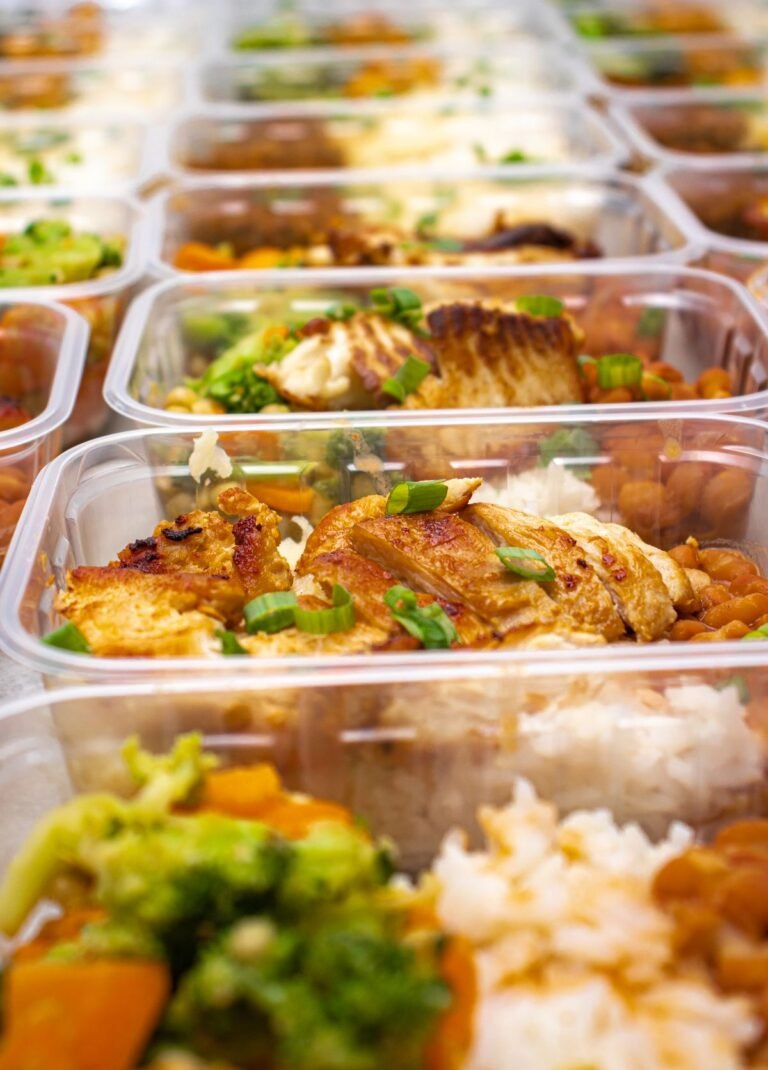
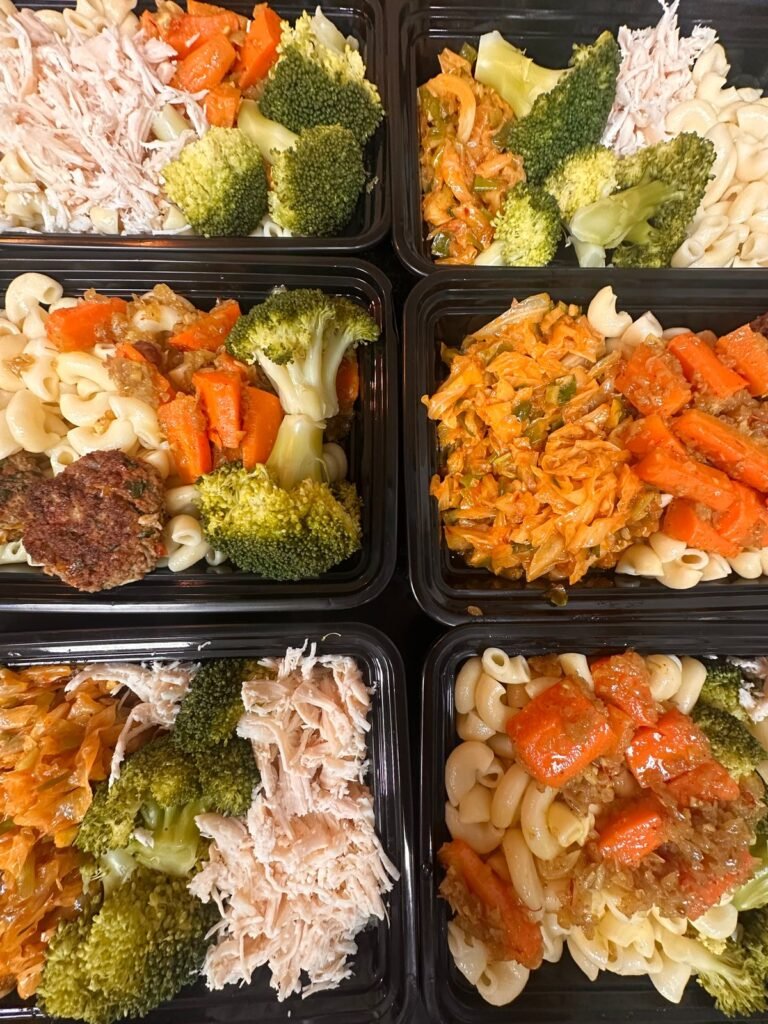
6 Freezer Marinades for Pork Chops, Steak and Chicken (One Method)
This post may contain affiliate links. If you buy through them, I may earn a small commission at no extra cost to you.
What You’ll Need
- Gallon freezer bags — the workhorse of freezer cooking
Introduction
Every freezer marinade here is built the same way: one simple formula, mixed right in the bag, with the meat frozen in it — and the marinating happens later, while the meat thaws. Learn the formula once and you need only six flavor profiles, two each for pork chops, steak, and chicken: maple Dijon and citrus mojo for pork, balsamic steakhouse and chimichurri for steak, and gochujang honey and lemon oregano for chicken.
The one base method (per bag, for about 1 1/2 lbs of meat, 4 servings):
- Oil: 1/4 cup — olive oil or a neutral oil. Oil carries the fat-soluble flavors, coats the meat so it does not dry against the cold, and helps everything brown later.
- Acid: 2 Tbsp — vinegar, citrus juice, or Worcestershire-style tang. Acid brightens flavor and lightly seasons the surface. Keep it modest: much more than this, held too long, turns the surface mushy instead of tender.
- Salt: 1 tsp kosher salt, plus 1/2 tsp black pepper. Salt is the ingredient that actually seasons past the surface and helps the meat hold its juices.
- Flavor builders: 2–4 Tbsp total — garlic, herbs, spices, mustard, soy sauce, honey or maple, and chili pastes. This is the only part that changes from bag to bag, and the six profiles below are just six ways to spend it.
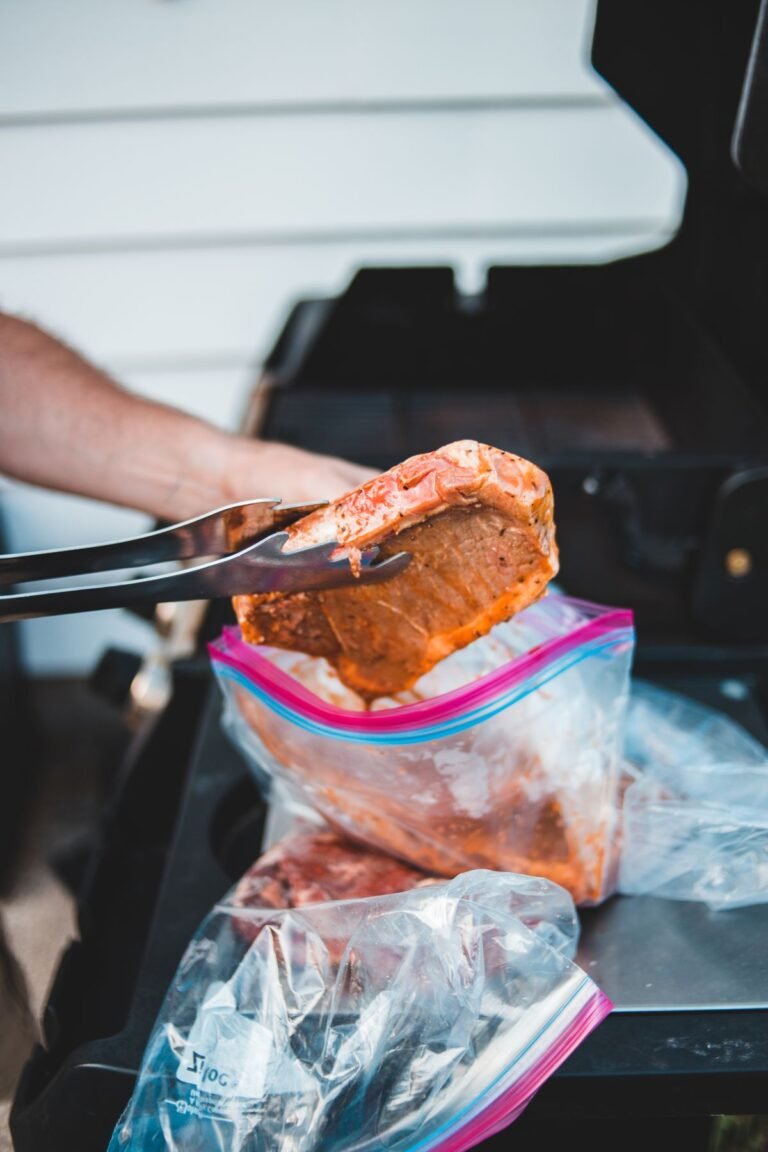
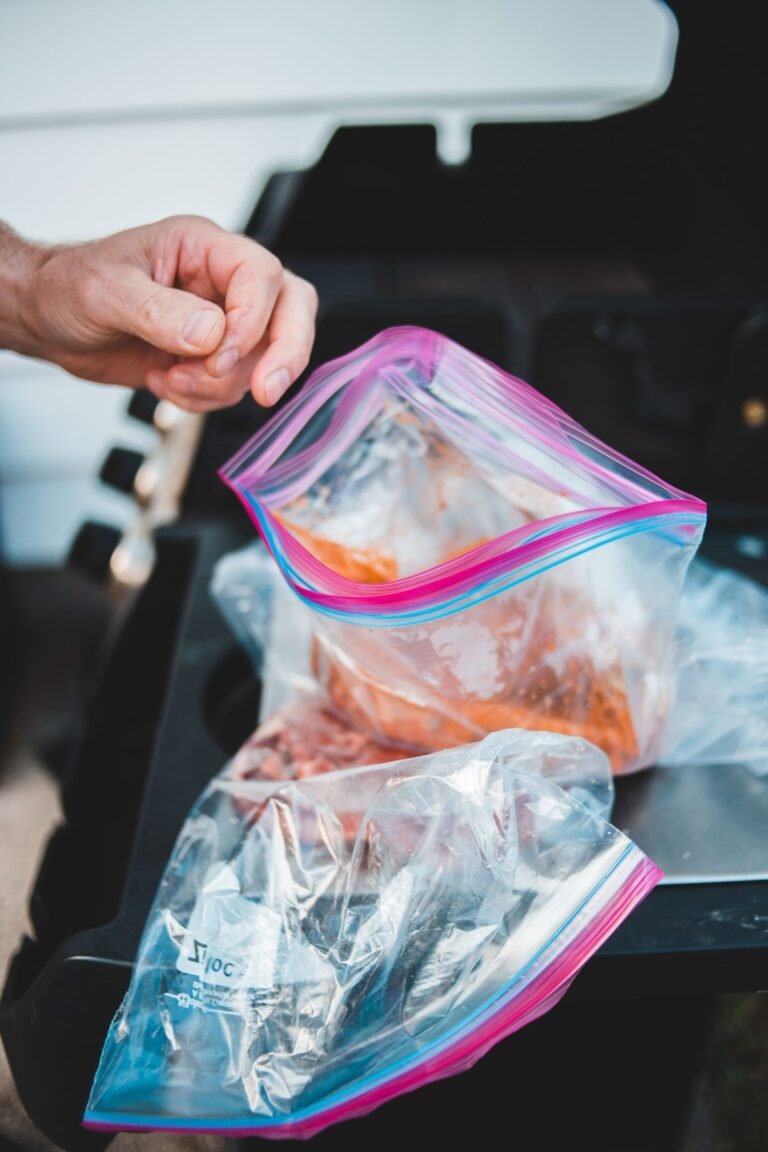
The bag method: Add the meat to a gallon-size freezer bag, pour the marinade in on top, and massage for 20–30 seconds to coat. Press out the air, seal, and freeze flat — flat bags stack like files, thaw faster, and take almost no room. Label every bag with flavor, protein, and date; frozen marinade bags all look alike by week two.
Marinate as it thaws: This is the whole trick. Freezing pauses marinating almost completely, so the real marinating happens in the fridge as the bag thaws — usually 12–24 hours. Pull a bag the night before, and by dinner the meat is thawed and marinated at once, with zero extra dishes. Always thaw and marinate in the fridge, never on the counter.
If chicken is your most-frozen protein, the sister post — 10 Chicken Marinade Freezer Bags That Make Dinner Taste Fresh — runs ten chicken-only flavors through the same method. New to freezer cooking? Beginner’s Guide: How to Start Freezer Cooking covers bags, labels, and freezer order, and 12 Chicken Freezer Meals You Can Prep in One Hour fits a full session into an hour.

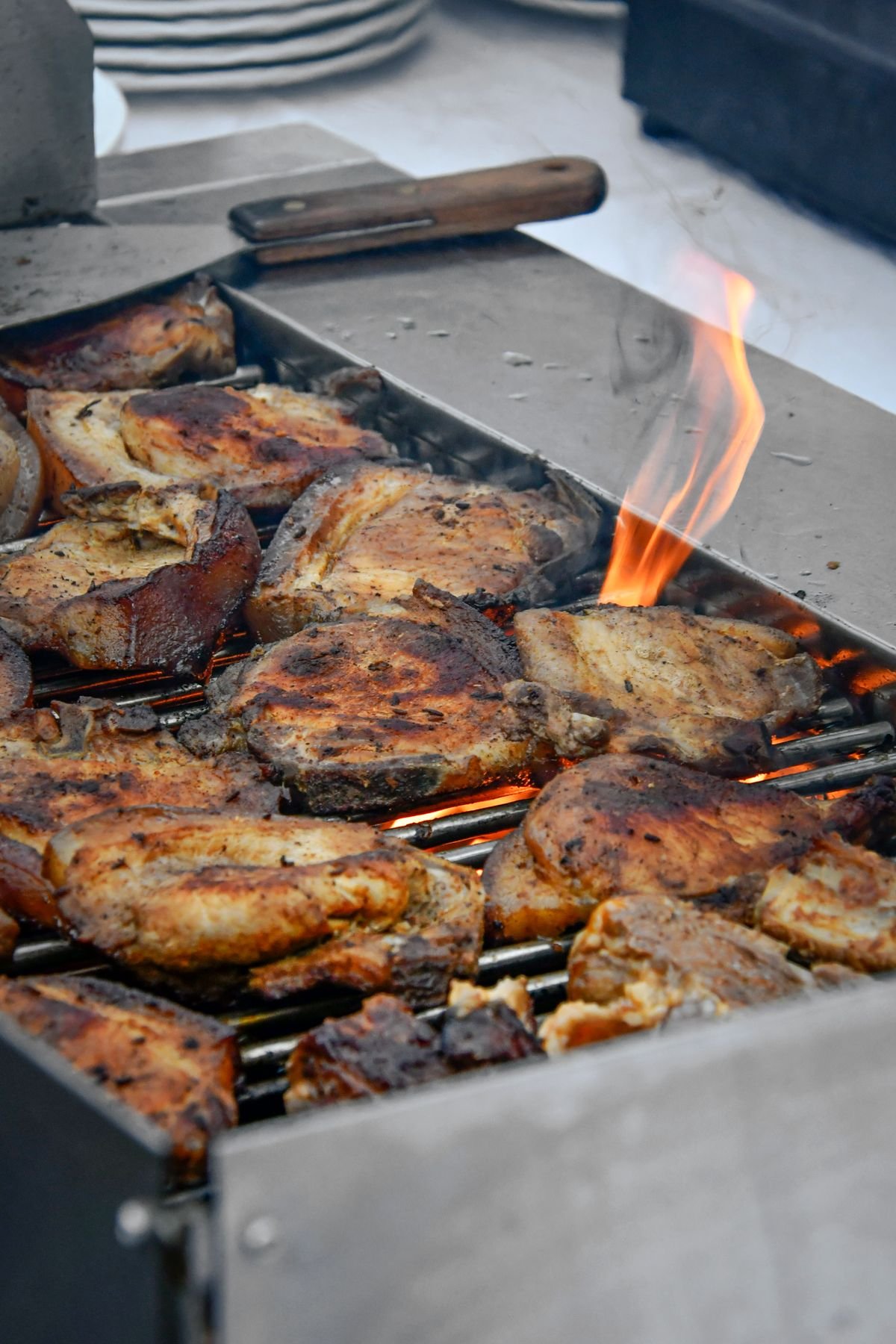
1. Maple Dijon Pork Chops
Sweet, sharp, and made for the grill — this is the pork chop for people who think pork chops are boring. The maple caramelizes at the edges, the Dijon keeps it from tasting like candy, and a pinch of smoked paprika gives it a just-off-the-fire depth even from a skillet.
Ingredients (4 servings):
- 1 1/2 lbs boneless pork chops, about 1 inch thick (4 chops)
- 1/4 cup olive oil
- 1/4 cup pure maple syrup
- 2 Tbsp Dijon mustard
- 1 Tbsp apple cider vinegar
- 2 cloves garlic, minced
- 1 tsp kosher salt, 1/2 tsp black pepper
- 1/2 tsp smoked paprika
To freeze: Whisk everything in the bag, add the chops, massage to coat, press out the air, and freeze flat for up to 3 months. With sugar in the marinade, this is a grill-day flavor, not a slow cooker one — sugar scorches over long heat, which is exactly what you want in short bursts.
To cook: Thaw in the fridge overnight, 12–24 hours. Grill over medium-high heat (about 400°F) for 5–7 minutes per side, or sear in a hot skillet 5–6 minutes per side, until the chops reach 145°F in the thickest part. Rest 3 minutes before serving — the temperature holds and the juices settle. Discard the used marinade, or boil it a full minute and brush it on during the last 2 minutes only.
Tip: Pat the chops dry before they hit the grill. The marinade flavors the meat either way, but a dry surface is what browns — a wet chop steams first and caramelizes late.
2. Mojo Pork Chops
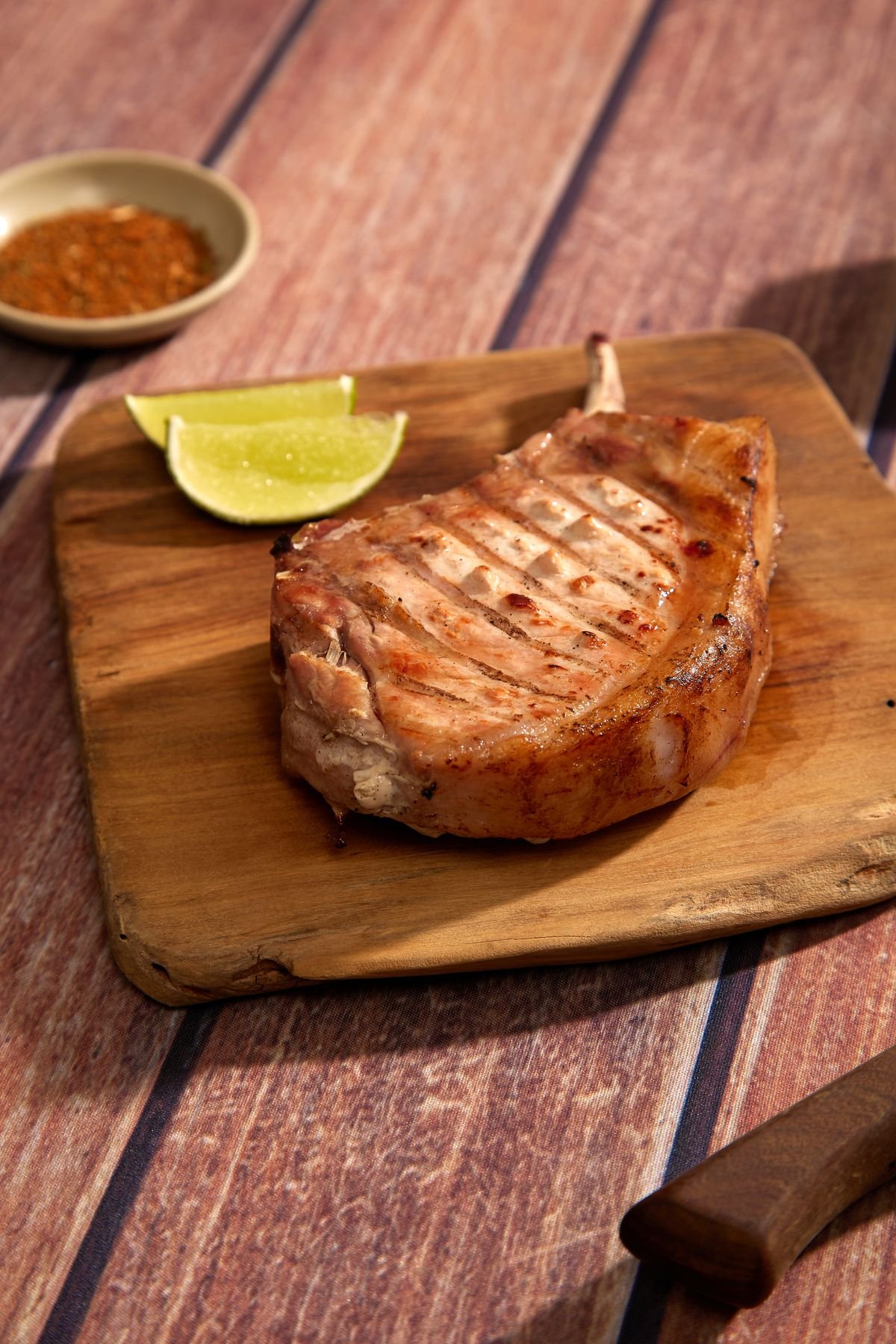
The Cuban-inspired profile: orange, lime, garlic, and cumin. It is the brightest of the six, built for rice, black beans, and plantains — and it proves the acid rule in the base method, because citrus does the flavor work here in a short thaw instead of a long soak.
Ingredients (4 servings):
- 1 1/2 lbs bone-in or boneless pork chops, about 1 inch thick (4 chops)
- 1/4 cup olive oil
- 1/4 cup fresh orange juice
- 2 Tbsp fresh lime juice (about 1 lime)
- 4 cloves garlic, minced
- 1 tsp ground cumin, 1 tsp dried oregano
- 1 tsp kosher salt, 1/2 tsp black pepper
- 1/4 cup finely chopped fresh cilantro (add fresh at serving, optional)
To freeze: Combine everything except the cilantro in the bag with the chops, massage, press out the air, and freeze flat for up to 3 months. Citrus marinades are the one place the freezer genuinely helps texture: freezing pauses the acid, so the chops get their mojo time during the thaw instead of sitting in juice for days.
To cook: Thaw in the fridge overnight — and do not let thawed chops sit in this marinade longer than 2 days total, citrus included. Grill over medium-high heat (about 400°F) for 5–7 minutes per side, or bake at 425°F for 18–22 minutes, until the chops reach 145°F, then rest 3 minutes. Shower with fresh cilantro and an extra squeeze of lime at the table.
Tip: Zest the lime into the bag before juicing it. The zest carries the lime flavor without adding more acid, so you get brightness without pushing the texture.
3. Balsamic Steakhouse Steak
The steakhouse profile: balsamic, Worcestershire, garlic, and a little brown sugar for crust. Use it on sirloin, flat iron, or flank steak — cuts with real beef flavor that drink up a savory marinade and slice beautifully for a family-style platter.
Ingredients (4 servings):
- 1 1/2 lbs sirloin, flat iron, or flank steak
- 1/4 cup olive oil
- 1/4 cup balsamic vinegar
- 2 Tbsp Worcestershire sauce
- 1 Tbsp low-sodium soy sauce
- 3 cloves garlic, minced
- 1 Tbsp brown sugar
- 1 tsp kosher salt, 1 tsp coarse black pepper
- 1 tsp dried rosemary or Italian seasoning
To freeze: Add everything to the bag with the steak, massage well, press out the air, and freeze flat for up to 3 months for best quality. Flank steak freezes especially well in this — it is thin, so it thaws fast and evenly, and the marinade reaches all of it.
To cook: Thaw in the fridge overnight, 12–24 hours. Grill over high heat (450–500°F) or sear in a ripping-hot cast iron skillet: 5–7 minutes per side for sirloin or flat iron, 4–6 for flank, until the steak reaches 145°F for medium, then rest at least 3 minutes (10 is better) before slicing against the grain. Discard the used marinade — for a pan sauce, set aside 1/4 cup of fresh marinade first.
Tip: Balsamic is assertive — if a thawed bag waits a second day in the fridge, pull the steak out of the marinade and pat it dry while it waits, so the flavor stays balanced.
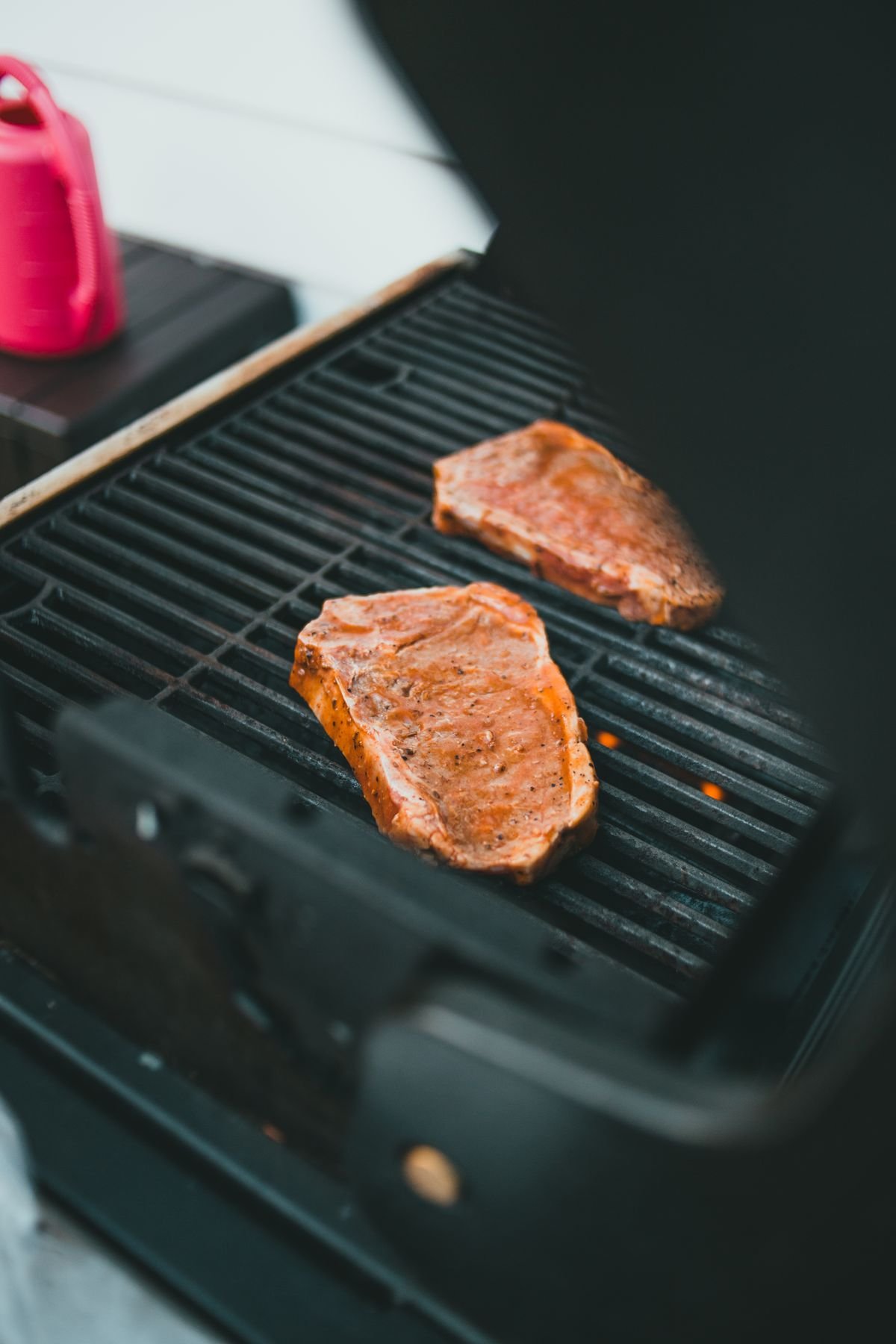
4. Chimichurri Steak
Chimichurri does double duty here: half of it marinates the steak in the freezer, and the reserved half — the part that never touched raw meat — spoons over the top at serving. Fresh parsley, oregano, garlic, and red pepper flakes in an olive oil and red wine vinegar base: it is the freshest-tasting bag in this whole post.
Ingredients (4 servings):
- 1 1/2 lbs flank, skirt, or sirloin steak
- 1 cup finely chopped fresh flat-leaf parsley
- 1/3 cup olive oil
- 3 Tbsp red wine vinegar
- 4 cloves garlic, minced
- 1 tsp dried oregano
- 1/2 tsp red pepper flakes
- 1 tsp kosher salt, 1/2 tsp black pepper
To freeze: Stir the chimichurri together and split it: about 2/3 goes in the bag with the steak, and the remaining 1/3 goes in a small jar in the fridge (use within 4 days) or its own small freezer bag clipped to the first. Massage, press out the air, and freeze flat for up to 3 months. Fresh herbs darken a little frozen — cosmetic only, and the reserved fresh portion on top fixes the look.
To cook: Thaw in the fridge overnight, 12–24 hours. Grill over high heat (450–500°F) for 4–6 minutes per side for flank or skirt, 5–7 for sirloin, until the steak reaches 145°F, then rest at least 3 minutes before slicing thin against the grain. Spoon the reserved chimichurri over the slices — never the used marinade from the bag, which gets discarded.
Tip: Slice flank and skirt steak thin and against the grain. With these cuts, the slicing matters as much as the marinade — cut with the grain and even a perfect marinade eats chewy.

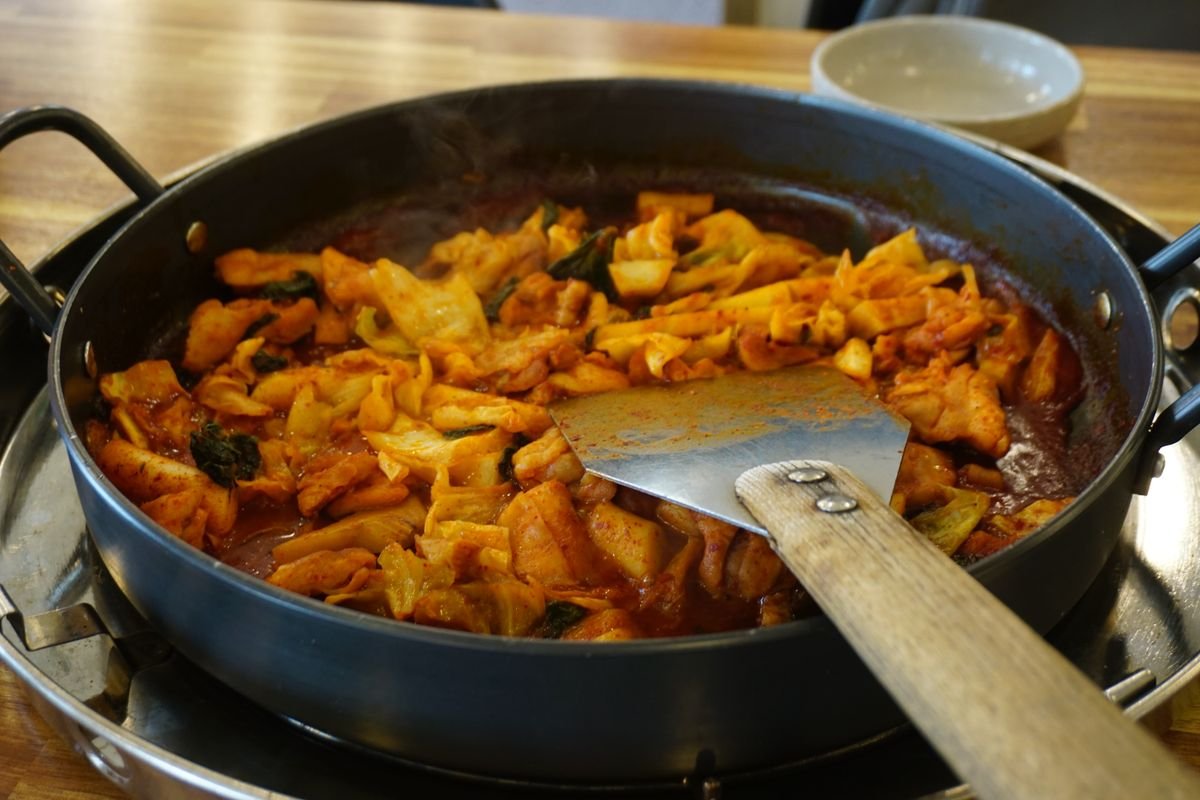
5. Gochujang Honey Chicken
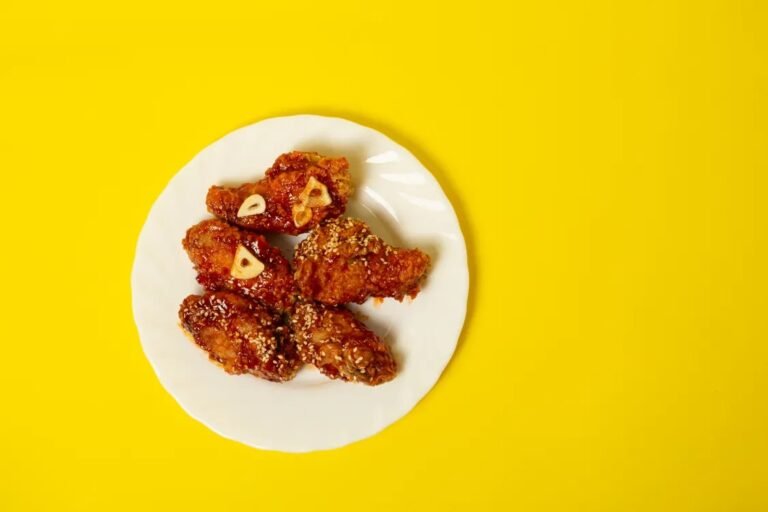
Sweet heat, Korean-style. Gochujang — the fermented chili paste — brings a deep, rounded heat plain hot sauce cannot, honey balances it, and boneless thighs stay juicy in a hot pan while their edges char in the sugary marinade. Cut them into chunks before bagging and dinner cooks even faster, dak-galbi style, with cabbage tossed in.
Ingredients (4 servings):
- 1 1/2 lbs boneless, skinless chicken thighs, cut into 1 1/2-inch chunks (or left whole)
- 3 Tbsp gochujang (Korean chili paste)
- 2 Tbsp honey
- 2 Tbsp low-sodium soy sauce
- 1 Tbsp sesame oil, 1 Tbsp neutral oil
- 1 Tbsp rice vinegar
- 3 cloves garlic, minced, plus 1 tsp grated fresh ginger
- 1/2 tsp black pepper
- Sesame seeds and sliced green onions, for serving (add fresh)
To freeze: Whisk everything except the garnishes in the bag, add the chicken, massage until every piece is coated red, press out the air, and freeze flat for up to 3 months. This marinade is thick and paste-like, which is ideal for freezing — it clings instead of pooling, so the chicken thaws already evenly seasoned.
To cook: Thaw in the fridge overnight, 12–24 hours — never cook raw poultry from frozen in a slow cooker. Stir-fry in a large hot skillet over medium-high heat for 10–13 minutes, spreading the pieces out so they sear instead of steam, or bake at 425°F for 20–25 minutes (18–20 for chunks), until the chicken reaches 165°F. Finish with sesame seeds and green onions, over rice with something cool and crunchy alongside.
Tip: Sugar and chili paste scorch fast at the end. Get your sear in the first few minutes, then lower the heat to finish — and if the pan sauce tightens up, a splash of water loosens it back into a glaze.
6. Lemon Oregano Chicken
The Mediterranean profile, and the most versatile bag of the six: grill it for Greek salads and pita, bake it for a sheet pan, or slice it cold over tomorrow’s lunch. Lemon, oregano, and garlic tastes fresh even after a month in the freezer — exactly what a freezer marinade has to do.
Ingredients (4 servings):
- 1 1/2 lbs boneless, skinless chicken breasts or thighs
- 1/4 cup olive oil
- 1/4 cup fresh lemon juice (about 2 lemons), plus the zest of 1 lemon
- 3 cloves garlic, minced
- 2 tsp dried oregano
- 1 tsp kosher salt, 1/2 tsp black pepper
- 1/2 tsp honey (optional, rounds out the lemon)
- Fresh parsley and lemon wedges, for serving (add fresh)
To freeze: Combine everything in the bag with the chicken, massage, press out the air, and freeze flat for up to 3 months. As with the mojo, freezing protects this one: lemon juice left on raw chicken in the fridge for days can turn the surface chalky, but frozen, the clock stops, and the chicken gets its lemon time during the thaw instead.
To cook: Thaw in the fridge overnight, 12–24 hours, and cook within 2 days of thawing. Grill over medium-high heat (about 400°F) for 6–8 minutes per side for breasts (5–7 for thighs), or bake at 425°F for 20–25 minutes, until the chicken reaches 165°F in the thickest part. Rest 5 minutes before slicing, and serve with parsley and fresh lemon wedges. If you batch this one alongside a full prep session, it slots straight into the rotation in The 2-Hour Freezer Prep Session: 10 Dinners, One Shopping List.
Tip: If your chicken breasts are very thick on one end, pound them to an even 3/4 inch before bagging. Even thickness means even thawing, even marinating, and no dry thin end next to an undercooked thick end.

How Long Do These Keep?
At 0°F or below, all six bags keep best quality for up to 3 months across pork chops, steak, and chicken alike. Frozen solid, the food stays safe beyond that, but flavors fade and surfaces dry. Eat the citrus bags (mojo and lemon oregano) first and the steakhouse bag last — its flavors hold up best.
Storage and safety rules for this batch:
- Marinate and thaw in the fridge, always. A thawing bag is a marinating bag — keep it at 40°F or below on a plate or in a shallow tray to catch drips, and never thaw it on the counter.
- Do not marinate longer than 2 days. Once thawed, cook any of these — poultry, pork, or steak — within 2 days. The marinade does not extend the meat’s fridge life.
- Never reuse used marinade as-is. The liquid that sat with raw meat must be discarded, or brought to a full rolling boil for at least 1 minute before it touches cooked food. Better: set a little fresh marinade aside before adding raw meat, like the chimichurri here.
- Thaw safely, two ways. Fridge overnight is the plan for all six. In a hurry, use cold water changed every 30 minutes, in the sealed bag, and cook immediately after.
- Cook to temperature, every time. Chicken to 165°F, pork chops to 145°F plus a 3-minute rest, steak to 145°F plus a 3-minute rest — checked with a food thermometer in the thickest part, not by color.
- Label with flavor, protein, and date. Every bag gets all three before it freezes. Future-you cannot tell a mojo bag from a maple bag through frost.
- Leftovers: Refrigerate within 2 hours, use within 3–4 days, and reheat to 165°F.
Frequently Asked Questions
Can you freeze meat in marinade?
Yes — it is the method this post is built on. Add fresh meat and marinade to a freezer bag, press out the air, freeze flat, and the meat marinates later, as it thaws in the fridge. Only freeze meat that is fresh and kept cold; marinade does not reset its freshness clock.
How long can you freeze marinated chicken?
For best quality, use marinated chicken within about 3 months at 0°F — the window this post uses for all six bags. Frozen solid it stays safe beyond that, but acid and salt keep working on the surface over long storage, so flavor and texture are better inside 3 months.
How long can marinated meat stay in the fridge?
Up to 2 days, for poultry, pork, and steak alike — the same clock as plain raw meat, because marinating does not extend fridge life. That includes the thaw: once a bag has thawed, cook it within 2 days. If plans change, cook the meat and refrigerate the cooked result instead.
Can you reuse marinade that touched raw meat?
Not as-is. It picks up raw-meat juices and must be thrown out — or brought to a full rolling boil for at least 1 minute before use as a sauce or baste. Easier: the chimichurri habit — set a portion of fresh marinade aside before any of it touches raw meat.
Can you cook marinated meat from frozen?
Thaw it first — that is the design. Marinating happens during the fridge thaw, and thawed meat cooks evenly, while a frozen-center chop overcooks outside before the middle is safe. For raw marinated chops, steaks, and chicken, the overnight fridge thaw is the method. Never put raw poultry in a slow cooker from frozen.
Can you refreeze meat after it thaws in the marinade?
Not raw. Once a bag has thawed, cook the meat — the cooked leftovers can then be frozen again for 2–3 months. A bag that only partially thawed and still has ice crystals can go back in the freezer safely, though quality dips.
Conclusion
One formula — oil, acid, salt, flavor builders — six bags, three proteins: sweet maple pork, bright mojo, a proper steakhouse steak, fresh chimichurri, fiery gochujang chicken, and lemon oregano for everything else. The method never changes, so the second session takes half the time of the first.
Start with one protein if six bags sounds like a lot: two pork bags and two steak bags on Sunday is a genuinely good week. Once the rhythm clicks, the chicken bags — and the ten more in the sister post — are just more flavors on the same system.
If this one-method system stocks your freezer smarter, Pin it and save it for your next grocery trip — and share it with anyone whose pork chops could use a plan.